
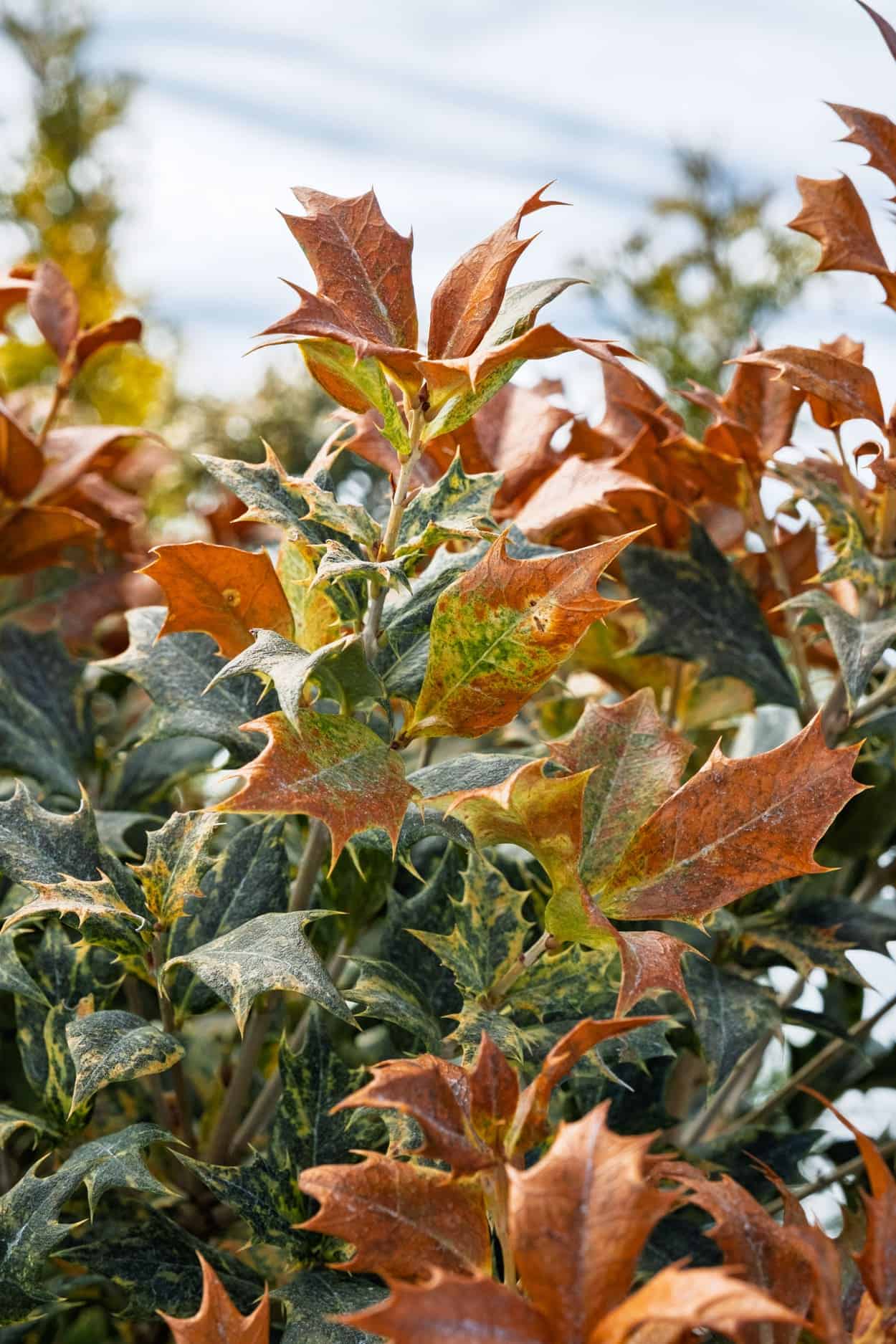
Winter Burn in Evergreens: What It Is, Why It Happens, and What to Do About It
This winter has been a wild one—that’s for sure. In fact, it’s been the coldest winter we’ve experienced since Enliven began. While the frigid blast of air to the face on the way to the car isn’t exactly charming, there is something oddly lovely about a true winter. It makes us miss being outside, appreciate the rhythm of the seasons, and long for the outdoor living months ahead.
With freezing temperatures creeping into Florida and negative wind chills here in Pennsylvania, this winter has been relentless. Snow fell more than two weeks ago and, unlike a typical melt–freeze cycle, it’s still here. We’ve had only a handful of hours above freezing, and most plants—especially container plantings—are completely buried under snow.
While this blog focuses primarily on container gardening, we’ll occasionally touch on landscapes and outdoor living spaces as well. Today’s topic is one we’re seeing everywhere right now: winter burn in evergreens.
What Is Winter Burn?
Winter burn is the drying, browning, wilting, or discoloration of evergreen foliage that occurs during winter. It’s most noticeable on broadleaf evergreens like Boxwood, Laurels, Euonymus, Aucuba, Nandina, and Magnolia, but it can also affect needle and scale evergreens such as Arborvitae, Cypress, and Juniper.
Damage can range widely:
- Brown or crispy leaf tips
- Entire leaves or sections turning bronze or tan
- Dead branches
- In severe cases, complete plant failure
The extent of winter burn depends on several factors, including temperature, wind, sun exposure, and—most importantly—the duration of these conditions.
Why Does Winter Burn Happen?
At its core, winter burn is a moisture problem.
Evergreen plants continue to lose moisture through their leaves in winter via a natural process called transpiration (also known as desiccation). This happens year-round, but the process slows during winter as plants naturally enter a low-energy state.
The issue arises when:
- Cold temperatures freeze the soil solid
- Roots can no longer absorb water
- Leaves continue losing moisture to the sun and harsh winter winds
To make matters worse, deciduous trees that normally provide shade and wind protection have dropped their leaves, leaving evergreens fully exposed. When moisture loss exceeds the plant’s ability to replace it, winter burn occurs.
In short:
The leaves dry out, but the roots can’t replenish them.
Why Container Evergreens Are Especially Vulnerable
Evergreens in containers are far more susceptible to winter burn than those planted in the ground. Containers freeze faster, stay frozen longer, and offer limited soil volume for moisture retention.
Add wind exposure—especially on rooftops, stoops, terraces, and balconies—and you have the perfect conditions for winter burn. This is why container gardening requires a bit more winter strategy, particularly in cold climates like ours.
Can Plants Recover from Winter Burn?
The good news: many plants are incredibly resilient.
Minor winter burn is often cosmetic. As spring arrives, plants may:
- Push new growth to replace damaged foliage
- Drop affected leaves naturally
- Bounce back with little to no intervention
When damage is more significant, plants may require:
- Light pruning to remove dead tips
- Heavier pruning if branches have died back
- In extreme cases, replacement
The key is patience. It’s important to wait until spring growth begins before making major decisions.
How to Prevent Winter Burn in Evergreens
While winter burn can’t always be avoided—especially in extreme winters—there are several effective preventative measures.
- Use Anti-Desiccant Sprays
Anti-desiccants are one of the most effective tools for preventing winter burn. Products like Wilt-Pruf coat leaves with a thin layer of natural pine resins that help lock in moisture.
We use anti-desiccants on:
- Winter container arrangements
- Evergreen wreaths
- Sensitive evergreen plantings
These products are available in:
- Ready-to-use spray bottles
- Concentrated formulas for backpack sprayers
- Large commercial quantities
If you’ve noticed a minty green residue on evergreens in commercial landscapes, that’s an anti-desiccant doing its job.
- Strategic Placement and Wind Protection
For containers, placement matters:
- Move pots closer to buildings when possible
- Group containers together to reduce exposure
- Avoid open, wind-swept corners
Wind is often more damaging than cold alone.
- Burlap Wrapping (When Necessary)
Wrapping evergreens in burlap can help reduce winter burn and prevent deer browsing. While effective, it’s not our favorite solution—it hides the landscape during a season when it should still be enjoyed.
That said, burlap can be worthwhile for:
- Newly planted evergreens
- High-value or sentimental plants
- Extremely exposed locations
Think of it as a last line of defense, not the default.
What to Do If You’re Already Seeing Winter Burn
Once winter burn appears, it can’t be reversed. At that point, your goal shifts from prevention to damage control.
You can:
- Apply anti-desiccants to limit further damage
- Protect plants from ongoing wind exposure
But ultimately, winter burn is addressed in spring, once you can clearly see:
- Where new buds are forming
- Which branches are truly dead
- Whether pruning or replacement is needed
Avoid aggressive pruning in winter—wait until plants wake up and show you what they’re capable of recovering.
Final Thoughts on Winter Burn
Winters like this one are tough on plants—and gardeners. But they also remind us how resilient landscapes can be. With the right preparation and a little patience, most evergreen plants will recover beautifully once warmer days return.
And when they do, that first flush of spring growth feels even sweeter after a winter like this.
If you’re unsure how your containers or landscape evergreens will rebound, we’re always happy to help you assess and plan for the season ahead.
Spring is coming—we promise.