Enliven Logo

Hello, you are using an old browser that's unsafe and no longer supported. Please consider updating your browser to a newer version, or downloading a modern browser.

How to Choose the Right Plants for Your Summer Containers

  • Blog
summer

Long before Enliven Planters existed, my family had a Mother’s Day weekend ritual.

We would pile into the van, head to the garden center, and pick out summer flowers for the planters and garden beds around the house. I was young, loved being outside, and had an eye for color — but I wouldn’t say I was all that interested in gardening yet.

Still, those trips stuck with me.

The smell of mulch, herbs, and flowers. The sound of nursery carts creaking over gravel. The busy aisles. The rows and rows of color. For a kid who did not grow up in a serious gardening family, it felt like an adventure.

I remember helping my mom pick out flowers that looked nice together. We would check the tags to make sure they said “sun” or “shade,” grab what looked healthy and colorful, and hope for the best.

Sometimes it worked.

Other times, those beautiful Mother’s Day weekend flowers were looking tired by the Fourth of July.

We had spent hours shopping, hundreds of dollars, made a mess of the car, and crossed our fingers that we had chosen the right plants that year. That experience was part of what eventually inspired Enliven Planters. Everyone wants beautiful flowers, but choosing the right plants — at the right time, for the right place — is harder than it looks.

And that is not because garden centers are doing anything wrong.

In fact, the opposite is true.

Garden centers are wonderful, important, often magical places. They are also operating in one of the most seasonal, weather-dependent, high-pressure retail environments imaginable. This post is not about criticizing garden centers. It is about helping customers better understand how to shop them successfully, so they can make better choices and enjoy their plants longer.

Why Garden Centers Are So Special — and So Challenging

I love garden centers.

I stop into them whenever I can, especially when traveling. Some of my favorite ones are the places you stumble upon unexpectedly, tucked into a roadside or sitting just outside a small town. They are full of character, color, ideas, and possibility.

But the garden center business model is incredibly difficult.

Most garden centers buy plants speculatively. They have to make educated guesses months in advance about what customers will want, when the weather will cooperate, and how much inventory they can sell in a very short window.

For many garden centers, the busiest sales period happens in just four to six weeks in April and May. That means they need to be fully stocked, beautifully merchandised, and ready for a rush of customers as soon as the weather breaks.

Then Mother Nature gets a vote.

A rainy weekend can hurt sales. A late cold snap can force staff to break down carefully built displays and move tender plants into protection. Warm weather can bring a flood of customers all at once. Cold weather can stall everything.

Meanwhile, the staff is watering, unloading trucks, answering questions, running registers, directing traffic, loading cars, restocking displays, and trying to keep everything alive and looking beautiful.

It is a lot.

The best garden centers make this look effortless, but behind the scenes, it is an incredibly complex operation.

Why Plant Shopping Can Feel Overwhelming

Most customers want a one-stop shop for their gardening needs. That means a garden center needs to carry a little bit of everything: annuals, perennials, shrubs, trees, pots, soil, mulch, tools, bird feeders, herbs, vegetables, houseplants, fertilizers, and more.

For experienced gardeners, this is great. They can walk the aisles, find what they need, and make confident decisions.

For everyone else, it can be overwhelming.

Where do you start? Which plants go together? Which ones like sun? Which ones can handle shade? Which ones will still look good in August? Which plants trail, which ones stay upright, and which ones quietly become enormous when you weren’t expecting it?

Even after years in the industry, I can still find myself wandering a nursery for hours, looking at beautiful plants but not making much progress toward a finished plan.

That is why preparation helps so much.

Before you go to the garden center, spend a little time looking up container recipes, plant combinations, or examples of planters you like. Take photos of your space. Know whether your planters are in sun or shade. Measure your pots. Make a list.

A little planning turns the garden center from an overwhelming maze into a much more enjoyable shopping trip.

Tip #1: Don’t Shop for Color Alone

This is probably the most common mistake people make when buying summer plants.

In early May, most of us are desperate for color. Winter has dragged on long enough, spring has been unpredictable, and suddenly the garden center is bursting with flowers. Naturally, we gravitate toward whatever is blooming the most.

That instinct makes sense. Color feels like health. Color feels like success. Color makes it easier to imagine what the planter will look like.

But the most colorful plant on the shelf is not always the best plant to buy.

A plant in full bloom in early May may be one of two things.

First, it could be a cool-season annual that is peaking in spring. These plants look beautiful in April and early May, but once the heat arrives, they may start to fade, stretch, or stop blooming.

Second, it could be a summer annual that has been grown in a greenhouse to look perfect for the spring sales season. These are often great plants, but if they are already in full bloom, they may cycle out of flower shortly after planting and need some time — and sometimes a cutback — before they bloom heavily again.

Experienced gardeners often look for plants that are full, healthy, and budded rather than completely covered in flowers.

A good rule of thumb: buy for the next eight weeks, not just the next eight minutes.

Tip #2: Pay Attention to Timing

Timing is tough, especially in the Northeast.

By March and April, everyone is ready to garden. You start seeing flowers outside grocery stores, big-box stores, and garden centers. The displays are tempting, the weather may be warm for a few days, and it feels like planting season has arrived.

But warm afternoons do not always mean safe nights.

Many summer annuals and tropical plants do not appreciate cold temperatures. A garden center may be able to protect tender plants during a chilly night, but once those plants are at your house, that responsibility falls to you.

This is not the garden center’s fault. Their sales window is short, their customers are eager, and if they do not have plants available when people are ready to buy, shoppers may go somewhere else.

Still, as a customer, patience can save you a lot of frustration.

Before planting summer containers, look at the 10-day forecast. Pay special attention to nighttime temperatures. If cold nights are still showing up, especially frost or temperatures in the 30s, it may be worth waiting.

At Enliven, we generally like to see nighttime temperatures consistently above 50 degrees for many summer plantings. At the very least, we want to know that the coldest nights are safely behind us.

The garden center may be fully stocked, but that does not always mean your containers need to be planted that day.

Tip #3: Understand Your Space Before You Shop

Before choosing plants, ask a few basic questions about your containers:

How many hours of sun do they get?

Is it morning sun or hot afternoon sun?

Are the containers exposed to wind?

Are they under a porch or roofline where they may not get natural rainfall?

Are they near a hot sidewalk, brick wall, or blacktop driveway?

Are you someone who waters every day, or are you hoping the plants can tolerate a little neglect?

The answers matter.

A plant that thrives in a protected morning-sun location may struggle in a blazing hot planter on a windy rooftop. A plant that works beautifully in the ground may dry out too quickly in a small container. A shade plant may survive in sun for a little while, but it probably will not look good for long.

The plant tag is a helpful starting point, but it can only tell you so much. Those tags are small and generalized. They cannot fully account for your exact container, your watering habits, your exposure, or the way heat reflects off your patio.

That is why knowing your space is just as important as knowing the plant.

Tip #4: Ask for Help at the Right Time

Garden center employees are often passionate, knowledgeable, and happy to help. The challenge is that during peak spring weekends, they are pulled in every direction.

If you want more guidance, try visiting during a slower time. Midday on a weekday is often much calmer than a sunny Saturday morning in May.

Bring photos of your planters and space. Share whether the area is sunny or shady. Let them know whether you want low-maintenance plants, big color, pollinator-friendly options, or something that can handle heat and neglect.

The more specific you are, the easier it is for someone to guide you.

Instead of asking, “What should I plant?” try asking, “I have two large containers that get afternoon sun, I can water most days, and I want them to look good through September. What would you recommend?”

That kind of question gives a garden center employee something useful to work with.

Tip #5: Shop With Empathy

It is easy to walk into a busy garden center and feel frustrated if you cannot find someone to help right away.

But it is worth remembering what is happening behind the scenes.

Garden centers are navigating weather, staffing, inventory, customer expectations, narrow sales windows, and living products that need constant care. They are trying to keep plants watered, displays full, checkout lines moving, and customers happy — all during the most intense weeks of their year.

Most of the people working there share your love of plants. They want you to succeed. They want your garden and containers to look beautiful. They are doing their best in a fast-moving, seasonal business where everything seems to happen at once.

A little patience goes a long way.

A Better Way to Shop for Summer Containers

The goal is not to avoid garden centers. The goal is to enjoy them more and shop them better.

Here is the simplest way to set yourself up for success:

Know your sun exposure.

Measure your containers.

Check the forecast.

Bring photos of your space.

Make a plant list before you go.

Look for healthy, full plants with buds — not just the most flowers.

Visit during slower hours if you need help.

Be patient, both with the plants and the people helping you.

Garden centers are an important part of our communities. They bring people outside, connect us with the seasons, and give us a place to imagine what our homes, patios, porches, and gardens can become.

For many of us, they are also where the love of gardening begins.

That was true for me.

Those Mother’s Day weekend trips with my family eventually led to a lifelong love of container gardening and, years later, to Enliven Planters. I still love the energy of a busy garden center in spring. I just know now that the best results come from walking in with a plan, a little patience, and a better understanding of what those plants will need long after they leave the shelf.

Beautiful summer containers are absolutely possible.

The right plants, chosen at the right time, for the right place, make all the difference.
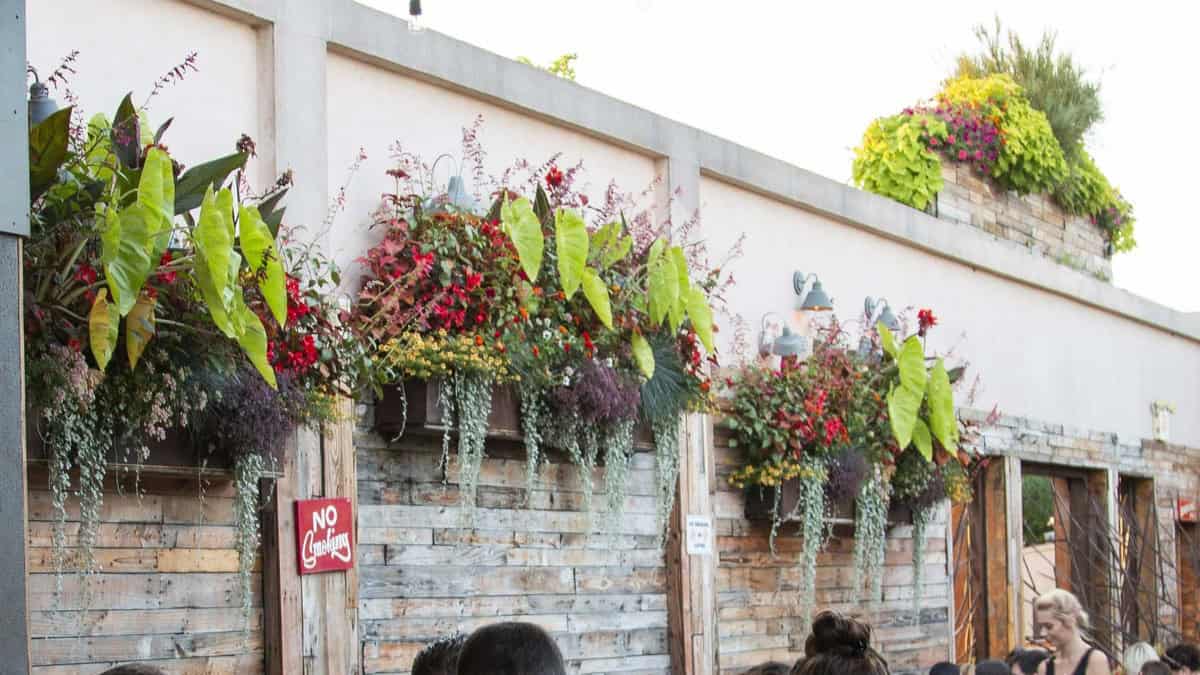
 

Pop-Up Gardens, Rooftops, Beer Gardens & Outdoor Dining Spaces: How We Help Businesses Get Ready for Summer

  • Blog
morgans pier

Over the past decade, Enliven Planters has been fortunate to work with businesses across the Philadelphia region to bring their outdoor spaces to life for the summer season.

Most people know us for our four-season container plantings at homes and businesses throughout the area. But what may be lesser known is that every year, we also plant dozens of beer gardens, pop-up gardens, rooftops, patios, event venues, outdoor dining spaces, and seasonal installations for restaurants and businesses getting ready to welcome guests outside.

Once our spring subscriber plantings are underway, our plant palette starts to shift. Cool-season annuals, perennials, and evergreens make room for the bold textures and colors of summer: tropicals, heat-loving annuals, succulents, grasses, trailing vines, and durable foliage that can handle long days, bright sun, and heavy use.

From May through October, local businesses rely on us to help transform patios, rooftops, waterfront spaces, and temporary outdoor venues into places that feel lush, inviting, and memorable.

Outdoor Spaces Are Part of the Experience

For restaurants, bars, hotels, apartments, and event venues, outdoor space is more than just extra seating. It is often the first impression guests have when they arrive, and it plays a major role in the overall atmosphere.

A well-planted space can soften hard surfaces, create privacy, direct foot traffic, hide less attractive views, define separate areas, and make a patio or rooftop feel intentional instead of temporary.

Over the years, we have been lucky to team up with so many talented businesses and hospitality groups who understand the value of a great outdoor environment. Philadelphia has become a city that truly values its gardens, patios, parks, rooftops, and seasonal gathering spaces — and we love being part of that.

Designed for Beauty, Scale, and Real-World Conditions

When clients come to us with a commercial outdoor space, they usually have a few key goals. They want the planting to feel lush and colorful. They want it to match the scale of the space. They want it to hold up through the summer heat. And they want it to look good for the full outdoor dining season.

That means we are not just thinking about what looks great on planting day. We are thinking about how the plants will perform in July, August, and September.

Many of these spaces are exposed to tough conditions. Rooftops, waterfronts, shore locations, and open patios can all bring intense sun, wind, heat, and limited access to water. Those conditions play a major role in the plants we choose.

We select summer annuals, tropicals, succulents, grasses, and foliage plants that can provide the right mix of color, texture, durability, and size for each unique space.

Timing Matters

Many of our commercial clients have worked with us for years and reach out early to get on the schedule as soon as Mother Nature allows.

For summer plantings, we generally like to wait until nighttime temperatures are consistently above 50 degrees. At the very least, we look for temperatures to stay safely in the mid-40s before installing more tender summer plants.

That timing helps protect the plants and gives them the best chance to thrive once the warm weather settles in.

Some of the Spaces We Have Planted

One of the best parts of this work is that no two spaces are exactly alike. Every business has a different layout, challenge, and goal.

Over the years, we have planted:

  • A rooftop amenity space on the 40th floor of a college apartment building
  • A rooftop pool area for a retirement community using self-watering Crescent Garden Rim containers
  • Dozens of trough planters separating outdoor dining areas from a busy road at the shore
  • Hundreds of feet of troughs lining an outdoor beer garden to screen views of parking lots and service areas
  • Rooftop plantings along pop-up shipping container bars on the Delaware River waterfront
  • Custom trough plantings designed to conceal the edges of large event tents
  • Dozens of containers and a planted archway for a pop-up festival near the stadiums
  • Custom plantings on parking barriers used to separate temporary outdoor cafés during COVID

Some projects are large and highly visible. Others are more subtle. But whether we are planting hundreds of feet of containers or placing a few statement pots at a host stand, the goal is always the same: create a space that feels welcoming, polished, and alive.

Small Details Can Make a Big Difference

Not every business needs a massive installation. Sometimes a few well-placed containers can completely change the feeling of a space.

A pair of bold planters at the entrance can make guests feel like they have arrived somewhere special. A cluster of pots near a host stand can soften the transition from sidewalk to dining area. A row of troughs can provide privacy, color, and structure without permanent construction.

Whether it is one pot, one patio, or an entire seasonal venue, thoughtful planting helps businesses create a better guest experience.

Getting Businesses Ready for Outdoor Dining Season

Outdoor dining season moves quickly, and preparation matters. By the time guests are ready to sit outside, businesses need their spaces to feel finished, comfortable, and photo-worthy.

That is where we come in.

At Enliven Planters, we help restaurants, bars, event venues, apartment communities, and businesses across the Philadelphia region get their outdoor spaces ready for the months when everyone wants to be outside.

From lush beer gardens and rooftop patios to small storefront planters and seasonal pop-ups, we love helping local businesses welcome their guests with outdoor spaces that feel vibrant, intentional, and full of life.

Winter Burn in Evergreens: What It Is, Why  It Happens, and What to Do About It 

  • Blog

Winter Burn in Evergreens: What It Is, Why  It Happens, and What to Do About It 

This winter has been a wild one—that’s for sure. In fact, it’s been the coldest winter we’ve experienced since Enliven began. While the frigid blast of air to the face on the way to the car isn’t exactly charming, there is something oddly lovely about a true winter. It makes us miss being outside, appreciate the rhythm of the seasons, and long for the outdoor living months ahead. 

With freezing temperatures creeping into Florida and negative wind chills here in  Pennsylvania, this winter has been relentless. Snow fell more than two weeks ago and,  unlike a typical melt–freeze cycle, it’s still here. We’ve had only a handful of hours above freezing, and most plants—especially container plantings—are completely buried under snow. 

While this blog focuses primarily on container gardening, we’ll occasionally touch on landscapes and outdoor living spaces as well. Today’s topic is one we’re seeing everywhere right now: winter burn in evergreens

What Is Winter Burn? 

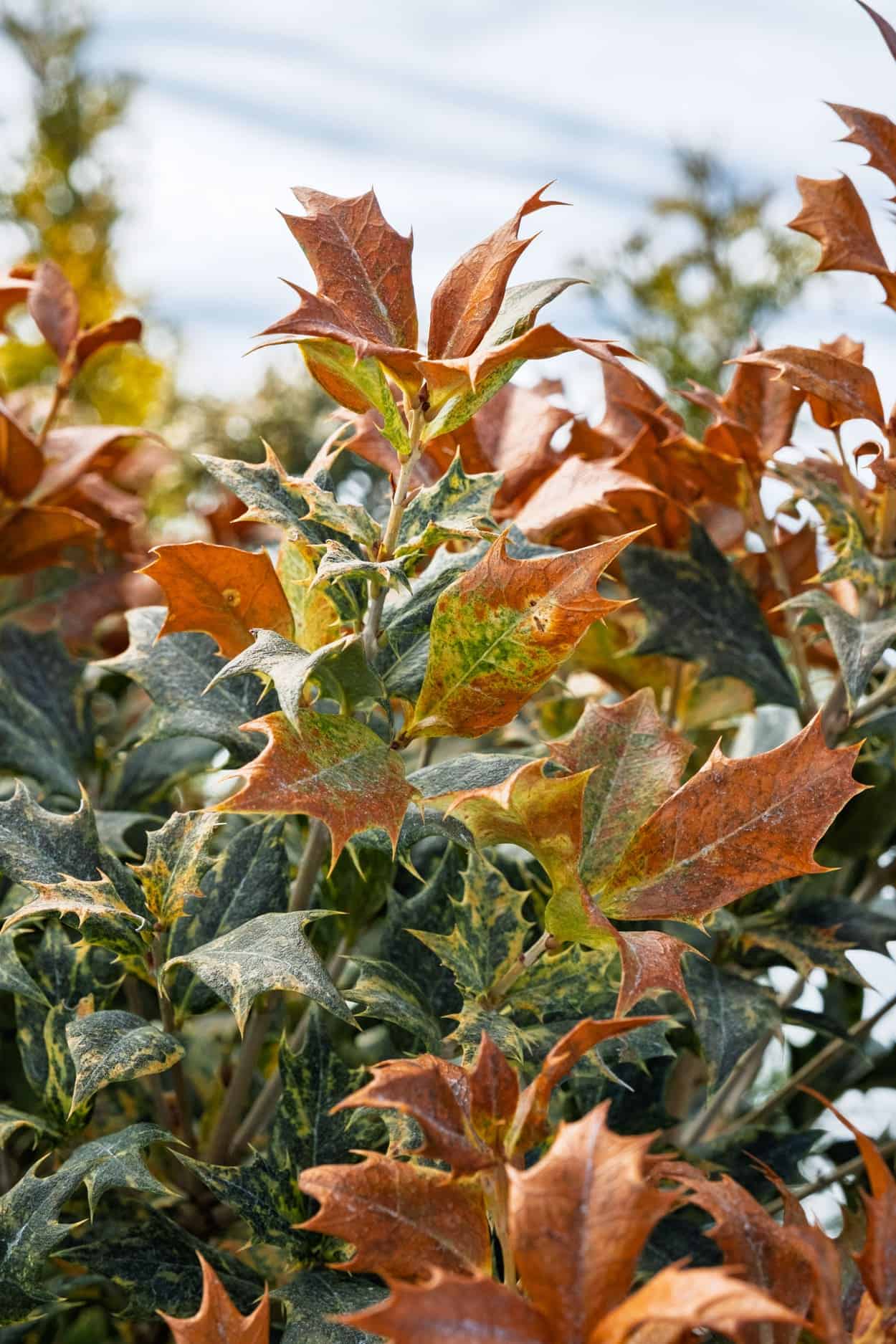
Winter burn is the drying, browning, wilting, or discoloration of evergreen foliage that occurs during winter. It’s most noticeable on broadleaf evergreens like Boxwood, Laurels,  Euonymus, Aucuba, Nandina, and Magnolia, but it can also affect needle and scale evergreens such as Arborvitae, Cypress, and Juniper. 

Damage can range widely: 

  • Brown or crispy leaf tips 
  • Entire leaves or sections turning bronze or tan 
  • Dead branches 
  • In severe cases, complete plant failure

The extent of winter burn depends on several factors, including temperature, wind, sun exposure, and—most importantly—the duration of these conditions

Why Does Winter Burn Happen? 

At its core, winter burn is a moisture problem

Evergreen plants continue to lose moisture through their leaves in winter via a natural process called transpiration (also known as desiccation). This happens year-round, but  the process slows during winter as plants naturally enter a low-energy state. 

The issue arises when: 

  • Cold temperatures freeze the soil solid 
  • Roots can no longer absorb water 
  • Leaves continue losing moisture to the sun and harsh winter winds 

To make matters worse, deciduous trees that normally provide shade and wind protection have dropped their leaves, leaving evergreens fully exposed. When moisture loss exceeds the plant’s ability to replace it, winter burn occurs. 

In short: 

The leaves dry out, but the roots can’t replenish them. 

Why Container Evergreens Are Especially Vulnerable 

Evergreens in containers are far more susceptible to winter burn than those planted in the ground. Containers freeze faster, stay frozen longer, and offer limited soil volume for moisture retention. 

Add wind exposure—especially on rooftops, stoops, terraces, and balconies—and you have the perfect conditions for winter burn. This is why container gardening requires a bit more winter strategy, particularly in cold climates like ours.

Can Plants Recover from Winter Burn? 

The good news: many plants are incredibly resilient

Minor winter burn is often cosmetic. As spring arrives, plants may: 

  • Push new growth to replace damaged foliage 
  • Drop affected leaves naturally 
  • Bounce back with little to no intervention 

When damage is more significant, plants may require: 

  • Light pruning to remove dead tips 
  • Heavier pruning if branches have died back 
  • In extreme cases, replacement 

The key is patience. It’s important to wait until spring growth begins before making major decisions. 

How to Prevent Winter Burn in Evergreens 

While winter burn can’t always be avoided—especially in extreme winters—there are several effective preventative measures. 

  1. Use Anti-Desiccant Sprays 

Anti-desiccants are one of the most effective tools for preventing winter burn. Products like  Wilt-Pruf coat leaves with a thin layer of natural pine resins that help lock in moisture. 

We use anti-desiccants on: 

  • Winter container arrangements 
  • Evergreen wreaths 
  • Sensitive evergreen plantings 

These products are available in: 

  • Ready-to-use spray bottles
  • Concentrated formulas for backpack sprayers 
  • Large commercial quantities 

If you’ve noticed a minty green residue on evergreens in commercial landscapes, that’s an anti-desiccant doing its job. 

  1. Strategic Placement and Wind Protection 

For containers, placement matters: 

  • Move pots closer to buildings when possible 
  • Group containers together to reduce exposure 
  • Avoid open, wind-swept corners 

Wind is often more damaging than cold alone. 

  1. Burlap Wrapping (When Necessary) 

Wrapping evergreens in burlap can help reduce winter burn and prevent deer browsing.  While effective, it’s not our favorite solution—it hides the landscape during a season when  it should still be enjoyed. 

That said, burlap can be worthwhile for: 

  • Newly planted evergreens 
  • High-value or sentimental plants 
  • Extremely exposed locations 

Think of it as a last line of defense, not the default. 

What to Do If You’re Already Seeing Winter Burn 

Once winter burn appears, it can’t be reversed. At that point, your goal shifts from prevention to damage control.

You can: 

  • Apply anti-desiccants to limit further damage 
  • Protect plants from ongoing wind exposure 

But ultimately, winter burn is addressed in spring, once you can clearly see: 

  • Where new buds are forming 
  • Which branches are truly dead 
  • Whether pruning or replacement is needed 

Avoid aggressive pruning in winter—wait until plants wake up and show you what they’re capable of recovering. 

Final Thoughts on Winter Burn 

Winters like this one are tough on plants—and gardeners. But they also remind us how resilient landscapes can be. With the right preparation and a little patience, most evergreen plants will recover beautifully once warmer days return. 

And when they do, that first flush of spring growth feels even sweeter after a winter like this. 

If you’re unsure how your containers or landscape evergreens will rebound, we’re always happy to help you assess and plan for the season ahead. 

Spring is coming—we promise. 

The Gardener’s Guide To Window Boxes

  • Gardener's Guide

Elevate Your Space with Window Box Gardening

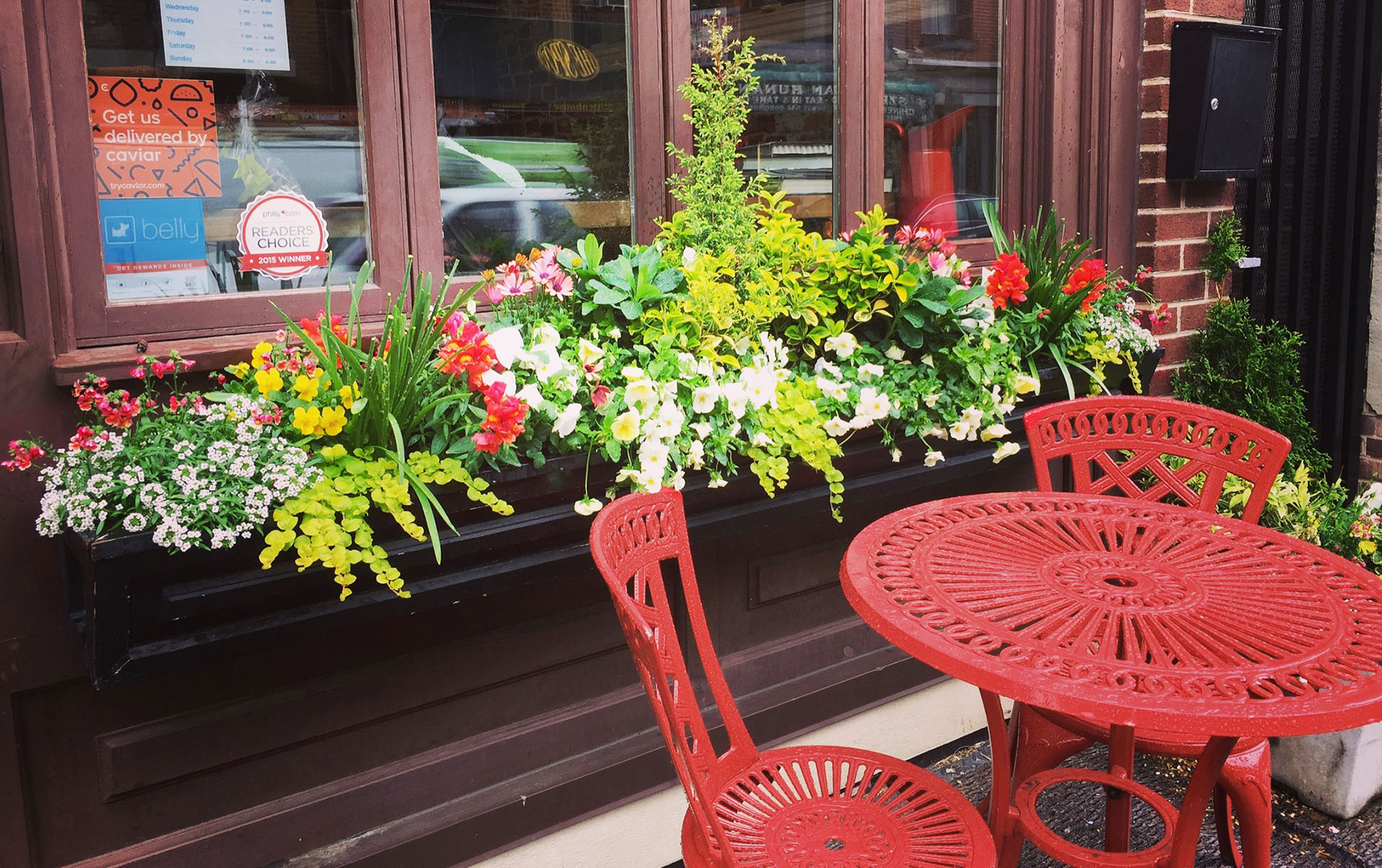
When it comes to urban gardening, window boxes offer the perfect solution for adding beauty, greenery, and personality to your home. Whether you’re nestled in a bustling city like Philadelphia or enjoying life in a quiet suburb, these compact gardens make a big visual impact without taking up much space. At Enliven Planters, we believe a window box isn’t just a planter—it’s a canvas for your creativity.


Why Choose Window Boxes?

Window boxes bring the joys of gardening to even the smallest spaces. Beyond their aesthetic appeal, they offer several benefits:

  • Enhance Curb Appeal: A thoughtfully designed window box can transform a plain façade into a welcoming, colorful statement.
  • Boost Your Mood: Studies show that vibrant flowers and lush greenery uplift spirits and reduce stress.
  • Support Local Pollinators: Including pollinator-friendly plants helps sustain bees, butterflies, and other beneficial insects.

Designing Your Dream Window Box

Creating a stunning window box is easier than you might think. Here are some tips to guide your journey:

1. Choose the Right Box

Durability and drainage are essential. Look for window boxes that are designed to withstand the elements while beautifully showcasing your plants. (Not sure where to find the right window box? Check out our window box subscriptions!)

2. Select Plants That Thrive Together

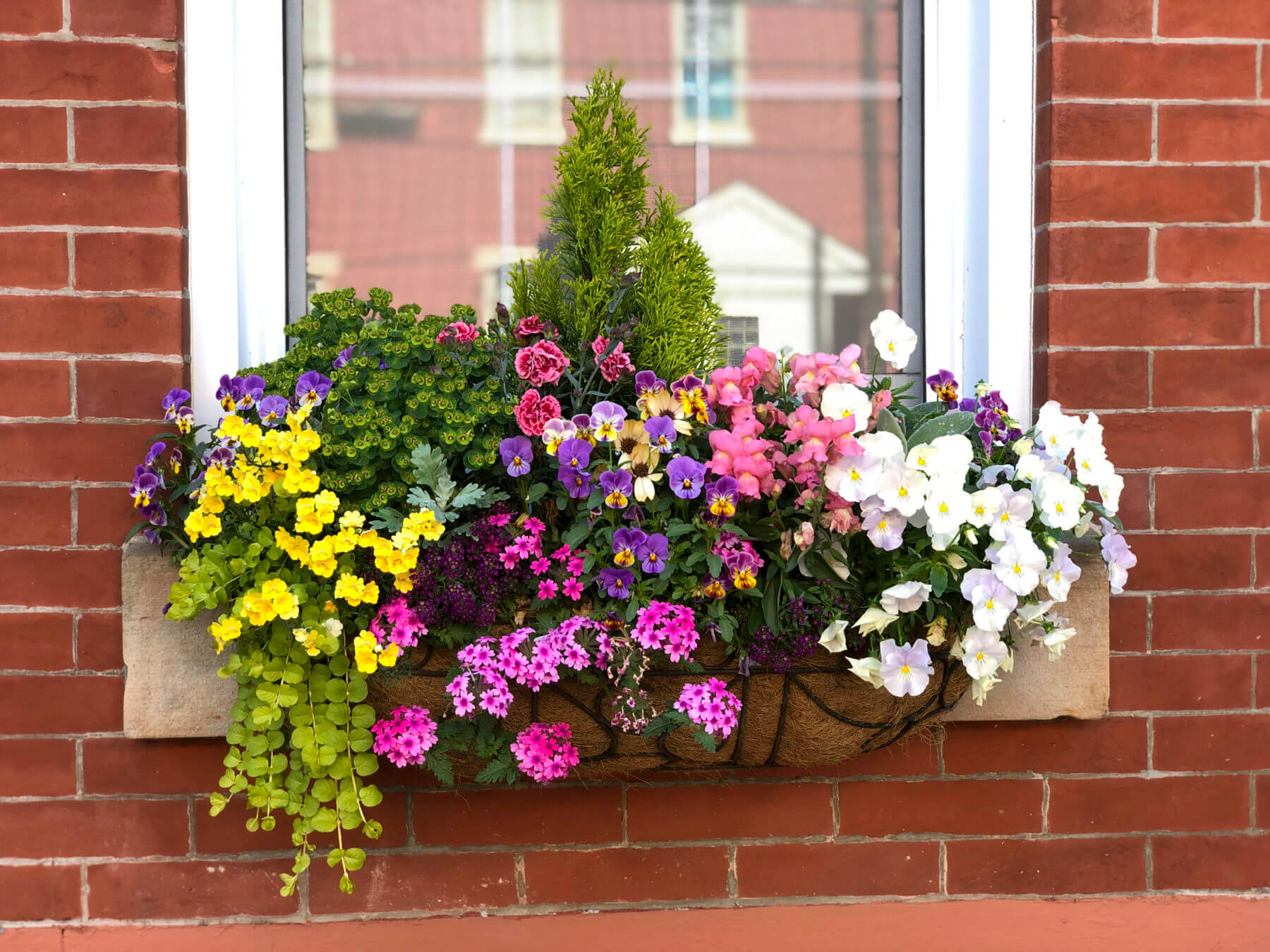
A balanced window box combines thrillers, fillers, and spillers:

  • Thrillers: Eye-catching plants like geraniums or tall grasses add height and drama.
  • Fillers: Bushy plants like petunias or coleus provide bulk and vibrant color.
  • Spillers: Trailing plants like ivy or sweet potato vines cascade gracefully over the edges.

Mix textures, colors, and heights for a visually interesting arrangement. Be sure to consider the sunlight your window box will receive and choose plants accordingly.

3. Invest in Quality Soil

Great soil is the foundation of a thriving garden. Use a high-quality potting mix enriched with compost for optimal plant health.

4. Water Wisely

Window boxes dry out quickly, especially in sunny locations. Self-watering planters or a consistent watering routine can ensure your plants stay hydrated and vibrant.

5. Change with the Seasons

One of the best aspects of window box gardening is its versatility. Update your boxes seasonally to keep them fresh and inspiring:

  • Spring: Tulips, daffodils, and pansies bring vibrant pops of color.
  • Summer: Geraniums, begonias, and lobelia thrive in warm weather.
  • Fall: Ornamental cabbages, mums, and mini pumpkins add festive charm.
  • Winter: Evergreens, holly, and decorative branches maintain interest during the colder months.

Inspiration from Around the World

Cities like London are renowned for their picturesque window boxes adorning historic homes and busy streets. Take inspiration from these classic urban gardens or experiment with bold, modern plant combinations to suit your style. In Philadelphia, rowhouses and apartments provide the perfect backdrop for colorful and creative designs.


Let’s Enliven Your Space

At Enliven Planters, we’re passionate about helping you bring your garden dreams to life. Our curated selection of planters, tools, and accessories ensures you have everything you need to create stunning window boxes. Plus, with our commitment to sustainability, you can feel good about your choices.

Transform your home into a green oasis with window boxes that reflect your style. Whether you’re an experienced gardener or just starting out, Enliven Planters is here to support you every step of the way. Explore our collection today and let’s enliven your space together!

Cultivating Success: The Human Element of Spring Preparation

  • Blog
  • Gardener's Guide
  • What's In Season
Spring Planter Arrangement for Commercial Clients

Team Readiness and Training

While the technical and logistical aspects of preparing for spring planting are crucial, the human element plays an equally important role. As the season approaches, the return of our seasoned gardeners, designers, and nursery team, along with the welcome addition of new faces, brings a renewed energy to our operations.

Each segment of our team undergoes specific preparations to ensure the smooth execution of spring planting. The nursery team focuses on shop layout and plant care refreshers, ensuring that they are ready to receive and care for the incoming plants. Our design team reviews new plant cultivars and updates to design guidelines, ensuring that our creations remain innovative and appealing. Gardeners, the hands-on force behind our operations, refresh their skills with practical exercises and review essential protocols for driving and safety.

The Final Countdown to Planting

As preparations in the shop continue, our gardeners also begin the crucial task of spring cleanouts during March. This involves removing old winter arrangements, refreshing pots with new soil and fertilizer, and ensuring that our installations are primed for the new season. This period also allows for last-minute training and adjustments, ensuring that our team is fully prepared for the intensive planting period ahead.

The preparation for spring planting is a comprehensive process that combines long-term planning, detailed logistical arrangements, and the readiness of our dedicated team. By addressing both the practical and human elements of this preparation, we set the stage for a successful and visually stunning spring season.

This human touch transforms our meticulous planning into vibrant, living landscapes. As the final preparations are made, the excitement within our team is palpable. We’re not just planting flowers; we’re crafting experiences, memories, and the promise of seasonal renewal. It’s this dedication and passion that breathe life into our work, ensuring each project not only blooms but flourishes.

Heading Into Summer

As we close the chapter on preparing for the summer planting season, it’s evident that the lush landscapes and vibrant blooms of the coming season are born from a mix of diligent planning and a keen understanding of nature’s rhythm. This journey from pre-season to planting is a collective effort, involving everyone from nursery staff to gardeners, each playing a crucial role in transforming our shared vision into reality. It’s a meticulous process, from weather monitoring to selecting the perfect plants, all geared towards ensuring that the next season does so spectacularly, turning our spaces into living portraits of color and life. Here’s to the magic that hard work and passion brings, behind the scenes!

The Prelude to Spring Planting

  • Blog
  • Gardener's Guide
  • What's In Season

Preparation

As the anticipation for spring builds with the first unexpected warm day in February, our groundwork for the upcoming planting season is already well underway. This period of preparation is critical, blending meticulous planning with an understanding of the unpredictable nature of weather. Here, we delve into the rigorous process that precedes the bloom of spring, emphasizing the many steps taken to ensure a successful planting season!

When to Plant

The journey towards a vibrant spring landscape for Enliven begins almost a year in advance. This early start is not just about anticipation but a necessity driven by the complex nature of plant cultivation and design. Monitoring weather patterns plays a crucial role in this phase. Weather watching becomes our pastime because, despite the itch to plant the moment the sun peeks out, we’ve learned that patience pays off.

We wait for that golden 10-day forecast in April to really get going, especially around Philadelphia, where winter likes to linger with surprise frosts.

Plant Selection

Long-term planning extends to relationships with suppliers, ensuring access to unique plant varieties and consistent quality. We pre-book custom plants nearly a year in advance! By coordinating with growers from the Pacific Northwest, Canada, and Florida, we can bring in evergreens and ensure that annuals are colorful and ready to bloom upon installation.
Our goal is to deliver plants that are tight and budded, maximizing display time and enjoyment for our clients.

Pre-Season Prep

But it’s not all about the plants. Making sure our gear is in tip-top shape is just as crucial. From tuning up the trucks to sharpening our tools and fixing those pesky irrigation lines, we’re on it – particularly planning for cold snaps. We set up frost protection measures and organize the warehouse to accommodate plants during unexpectedly chilly nights, so your plants aren’t in any danger.

The Team

None of this would work without our fantastic crew. The nursery team focuses on shop layout and plant care refreshers, ensuring that they are ready to receive and care for the incoming plants. The Design team reviews new plant cultivars and updates to design guidelines, ensuring that our creations remain innovative and appealing. Gardeners, the hands-on force behind our operations, refresh their skills with practical exercises and review essential protocols for driving and safety.

The Final Countdown

Gardeners begin the crucial task of spring cleanouts during March. This involves removing old winter arrangements, refreshing pots with new soil and fertilizer, and ensuring that our installations are primed for the new season. We’re all about making sure when the planting season officially hits, we’re more than ready to bring some life and color back into the city and beyond.

​​This journey from pre-season to planting is a collective effort, involving everyone from nursery staff to gardeners, each playing a crucial role in transforming our shared vision into reality. It’s a meticulous process, from weather monitoring to selecting the perfect plants, all geared towards ensuring that when spring arrives, it does so spectacularly.

Schedule

A Free Phone Design Consultation

Please fill out the form below to set up a free design consultation. Consultations are done over the phone and typically last 10-15 minutes. During the call we will discuss your planting needs, gauge your design preferences, and explain how our process works.

Currently Serving the Greater Philadelphia Area